
He Went to Eton, Worked for the BBC, and Spied for Stalin
I keep coming back to Cold War spy books. I don't know what it is. Maybe it's the idea that real life can be stranger and darker than any thriller. This one reminded me of that all over again.
Guy Burgess. Remember that name.
He went to Eton. Then Cambridge. He worked for the BBC. He got a job at the Foreign Office. He drank at the best clubs and laughed with the right people. On paper, he was the perfect British gentleman. But behind all of that, he fed secrets to Moscow. For years. And nobody stopped him.
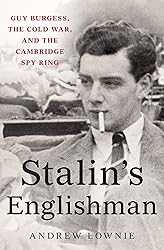
That's the story Andrew Lownie tells in Stalin's Englishman — and he tells it well.
What makes Burgess so hard to pin down is that he wasn't careful or quiet. He was loud. He drank too much. He made scenes. He was careless with people and rules. And yet he stayed hidden inside the system for so long. How does that happen?
Here's the thing. British intelligence in those days ran on class. If you came from the right school, people trusted you. No hard questions. No deep checks. Just — you're one of us, so you must be fine. Burgess used that completely. His social world gave him cover and nobody wanted to pull back the curtain on one of their own.
It's almost hard to believe, right?
Lownie digs into private diaries, letters, and files to build this picture. He doesn't just show you the spy — he shows you the man. And that's what makes this book stick. Burgess wasn't some cold, calculating machine. He was a mess. He drank hard, burned bridges, and lived without discipline. But he stayed loyal to one thing. Moscow. Even when his life fell apart, that loyalty held.
He worked with the other members of the Cambridge Five — the spy ring that caused deep damage to Western intelligence during the Cold War. Burgess knew Kim Philby. He moved in the same circles. He passed secrets from inside the heart of British power. And the KGB loved him for it.
But this is also a story about failure. British intelligence missed him. Warnings came and got ignored. His behavior flagged red to some people, but nobody acted. Class loyalty beat common sense. And the cost of that was real — leaked plans, blown operations, lives put at risk.
In 1951, Burgess fled to Moscow with Donald Maclean — another member of the ring. He never came back to Britain. He died in Moscow in 1963. Drunk, bitter, and far from home.
Lownie keeps the writing clean and direct. No filler. Each chapter moves the story forward without dragging. And by the end, you feel the full weight of what Burgess was — a brilliant, broken man who used every door his privilege opened, and walked through them all for the wrong side.
If you love true spy stories, this one is worth your time. Pick it up.
Comments
Post a Comment