
Secret War with Iran Review: How Israel and the West Fought Iran in the Shadows
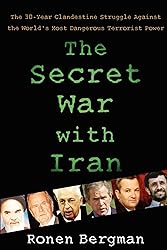
Ronen Bergman wrote The Secret War with Iran: The 30-Year Clandestine Struggle Against the World's Most Dangerous Terrorist Power. The book covers the hidden conflict between Iran and Western intelligence services from the 1979 Iranian Revolution through three decades of bombings, assassinations, arms deals, and espionage. Bergman conducted over 300 interviews and gained access to classified documents. He spoke with Mossad operatives, CIA officials, Iranian defectors, and soldiers who worked in the shadows. The result is one of the most documented accounts of covert warfare in the modern era.
Iran did not fight its wars in the open. It used Hezbollah as a weapon. It trained bombers in Iraq. It planned attacks in cities across the world including New York. It pursued nuclear power as both a shield and a threat. Bergman traces every move with precision. He shows how Iran built a global terror network funded by oil money and driven by ideology. The reach was long and the methods were cold. Hezbollah became Iran's most effective tool — disciplined, patient, and deadly.
Mossad and the CIA fought back. Sometimes together. Sometimes alone. The book details joint operations and secret missions including Operation Body Heat and the Ghost Raid on Syria. Some operations worked. Others failed and cost lives. Bergman names the men who gave the orders and the agents who carried them out. He does not sanitize the failures. A botched operation or a missed warning appears alongside every success. That balance gives the book its credibility and its weight.
The nuclear question runs through every chapter. Iran's drive for nuclear capability shaped the entire 30-year conflict. Israel viewed it as an existential threat. The United States viewed it as a regional problem. That gap in urgency created friction between allies and left gaps in the covert campaign. Bergman shows how intelligence agencies tried to slow Iran's nuclear program through sabotage, assassination, and diplomacy. The fight is still not over. The book makes that clear on every page.
This is a 4-star book. The writing is sharp and direct. No wasted words. No unnecessary drama. Bergman lets the facts carry the story and the facts are more than enough. Some readers may note a strong pro-Israel perspective. That is a fair observation. But the research stands on its own. Anyone who wants to understand the hidden forces shaping the Middle East and global security needs this book. The secret war with Iran did not end when the book was published. It continues today. Read this and understand why.
Comments
Post a Comment