
They Fought the Taliban in the Mountains. They Fought for Each Other Every Day.
Some books about war feel distant. Like you're reading a report. This one is nothing like that.
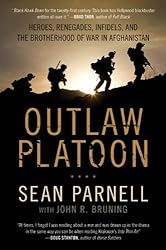
Outlaw Platoon pulls you right into the mountains of eastern Afghanistan and keeps you there. And once you're in, it doesn't let go.
Captain Sean Parnell led the 3rd Platoon of the 10th Mountain Division through a 16-month deployment in Paktika Province — right on the Pakistan border. One of the roughest corners of the war. He wrote this book with military historian John Bruning. And together, they got it right.
The men Parnell led were young. Most of them had never seen combat before they landed in Afghanistan. What they faced was ambushes, IEDs, sleepless nights, and constant danger. And Parnell puts you inside all of it. Not with Hollywood drama. With honesty.
That's the word that keeps coming back. Honesty.
Parnell doesn't hide his fear. He doesn't pretend every decision was right. He tells you about doubt. About the weight of leading men who trust you with their lives. About the moments when things went wrong and he had to keep moving anyway. That kind of honesty is rare in war memoirs. And it builds real trust with the reader.
The heart of this book is the brotherhood. These men weren't just a unit. They were a family. They covered each other in firefights. They laughed together when the pressure dropped for a moment. They carried each other when the losses came. And the losses came.
Parnell earned two Bronze Star Medals and a Purple Heart during this deployment. He doesn't wear those on his sleeve in this book. He talks about his men instead. Their names. Their personalities. Their courage. That says everything about what kind of leader he was.
What makes the writing work is how direct it is. No fancy language. No long political speeches about the war. Parnell and Bruning stay focused on the men and the mission. The battle scenes hit hard because they feel real — not exaggerated, not pulled back. Just what happened and how it felt.
And then there are the quiet moments. The humor between exhausted soldiers. The small kindnesses that keep people human in a brutal place. Parnell doesn't skip those. He knows they're part of the story too.
I gave this four stars on Goodreads. It's not a perfect book — a few sections slow down — but the core of it is strong. This is the kind of war memoir that stays with you. Not because of the action but because of the people. You finish it and you feel like you know these men. You feel what they gave.
Parnell was later recognized by the United States Military Academy's Commandant Book Club in 2013. That honor fits. This book shows the real face of leadership under fire — not confidence without doubt, but courage in spite of it.
If you want to understand what soldiers go through — not in a big picture geopolitical sense, but up close and personal — this is the book you read. Four stars. Strong recommendation.
Comments
Post a Comment