
Mitrokhin Archive Book Review: How One Man Brought Down the KGB's Secrets
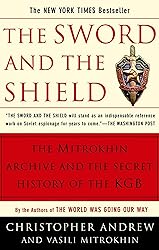
Christopher Andrew and Vasili Mitrokhin wrote The Sword and the Shield: The Mitrokhin Archive and the Secret History of the KGB. Mitrokhin worked inside the KGB's foreign intelligence archive for years. He grew unhappy with the Soviet system. From 1972 to 1984 he hand-copied thousands of classified KGB documents onto small pieces of paper. He hid them at his country house. When the Soviet Union collapsed he defected to Britain in 1992 and brought the archive with him. British intelligence gave Christopher Andrew full access to the files. The result is the most important intelligence leak of the Cold War era.
The book covers KGB foreign operations from the early Soviet years through the collapse of the USSR. The United States was the KGB's main target. The UK, France, and West Germany followed close behind. The KGB planted spies inside governments, military offices, science labs, and news organizations. It ran undercover agents who lived for years in Western countries under false identities. Andrew organizes all of it with clarity and order. The sheer scale of Soviet espionage is the first thing that hits you. The patience and reach of the KGB surprises even readers who think they know the Cold War.
The book names spies nobody knew before. Melita Norwood was a British woman who gave nuclear secrets to Moscow for four decades. Robert Lipka worked at the US National Security Agency and sold secrets for years. The KGB also ran what it called active measures — disinformation campaigns, fake documents, and propaganda. It spread the lie that the US military created the AIDS virus. It worked to destroy the reputation of Martin Luther King Jr. These were not small operations. They ran across continents for years.
The Mitrokhin Archive book does have limits. The source is the KGB's own files. The Western side of the story gets less attention. The book can also feel dense in places. Decades of operations across dozens of countries require focus. Some sections read more like a list than a narrative. But these are minor complaints against the weight of what the book delivers.
This is a 4-star book and an essential read. No other source gives a clearer picture of how the KGB worked, what it believed, and how far it reached. Mitrokhin risked his life to save this information. Andrew used his skill to make it readable. Anyone who cares about Cold War history, Soviet espionage, or the hidden battles of the last century needs this book on their shelf.
Comments
Post a Comment