
They Weren't Criminals. They Were Builders. And They Changed Everything.
I'll be straight with you. I almost didn't pick this one up. The title sounds like it's about criminals in hoodies typing in dark rooms. That's not what this book is. Not even a little.
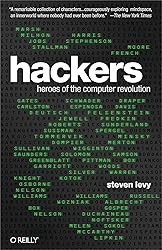
Steven Levy wrote Hackers: Heroes of the Computer Revolution in 1984. And it reads like nothing else in tech history. Not a dry timeline. Not a product launch story. This is a real account of real people. These people cared deeply about machines. At that time, most of the world did not know what a computer was.
That context matters. A lot.
Let me set the scene. The 1950s. MIT. A group of young men get access to a massive, expensive machine called the TX-0. And they fall in love with it. Not in a weird way — in the way you fall in love with a puzzle that keeps getting more interesting the deeper you go. They stay up all night. They write programs for the joy of writing them. They share their code with each other. They believe information should be free.
That belief is what Levy calls the hacker ethic. And it's the heart of this whole book.
The ethic has a few key ideas. Access to computers should be open. Information should be shared. You earn respect through skill and work — not through job titles or degrees. And computers can create something close to beauty. These weren't rules someone handed down. They grew up naturally in those early labs. And they spread.
From MIT, Levy takes you to the hardware hackers of the 1970s. People like Steve Wozniak. People gathered at the Homebrew Computer Club in California. They passed circuit boards around the room. They passed them like people trade baseball cards. These men — and they were almost all men — wanted to put computers in homes. Not in labs. Not in corporations. In kitchens and bedrooms and garages.
Sounds like a crazy dream, right? In 1975, it really was.
And then the game hackers. The early 1980s. Young programmers squeezing every last drop out of machines like the Apple II. Writing code under pressure. Shipping games that pushed hardware past what anyone thought was possible. Same ethic. Same love of the craft. Different output.
Here's what I loved most about this book. Levy never talks down to you. He explains everything you need to know without making you feel like you're in a classroom. The technical side stays clear. The human side stays front and center.
And these people are human. That's the part most tech books miss. The hackers Levy writes about have obsessions, quirks, and feelings. They get frustrated. They get competitive. They also get genuinely excited about things most people would walk straight past. A clean piece of code. A program that runs faster than it should. A machine doing something no one thought to try before.
That excitement jumps off the page.
I gave this five stars on Goodreads. And I'll tell you — I'm someone who lived through a lot of this history. I went from mainframes to minicomputers to personal computers. So reading this book felt like looking at my own life from the outside. The machines changed. The passion driving the people behind them didn't.
This is also a book that asks a bigger question without spelling it out. A culture values sharing and openness. Business values money and ownership. What happens when these two cultures collide? The last section touches this. And Levy doesn't give you a clean answer. Because there isn't one.
If you love tech history, this book is essential. If you love stories about people who were ahead of their time and paid the price for it, same thing. You want to understand where the modern digital world came from. You want the real story, not the press releases. The real story comes from the people who built it night by night. They built it in university labs and cluttered garages. This book is the place to start.
Five stars. A landmark book. Pick it up.
Comments
Post a Comment