
He Worked Inside MI5 — Then He Told the World What He Found
Some books get banned because they're offensive. Some get banned because they're dangerous. This one got banned because it was true. Or at least, the British government thought it was true enough to fight it in court.
That tells you everything you need to know going in.
Peter Wright spent decades inside MI5. He wasn't a field agent running around with a gun. He was a scientist. A technical man. He built surveillance tools, cracked codes, and ran operations to catch Soviet spies. And by the time he retired, he was convinced of one thing — the Soviets had put a mole at the very top of MI5. And nobody would listen to him.
So he wrote a book.
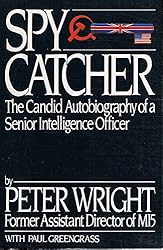
Spycatcher came out in 1987 and the British government lost its mind. They went to court in Australia — where Wright lived after he retired — to stop it from being published. They lost. The book became a worldwide bestseller almost overnight. And the legal battle itself became the story, because it showed just how hard the government would fight to keep its secrets buried.
But here's what gets me. Wright wasn't some bitter outsider with an axe to grind. He was a senior officer. A man who gave his career to MI5 and believed in what he did. His anger in this book isn't wild or reckless. It's cold and specific. He names names. He describes operations. He walks you through the evidence he gathered and shows you exactly why he believed a Soviet agent had worked his way into the heart of British intelligence.
Sounds impossible, right? But remember — this is the same world that gave us the Cambridge Five. Britain had form here.
Wright goes deep into the surveillance work. The bugs planted in embassies. The monitored phone lines. The long, grinding process of building a counterintelligence case. Some of this is slow going. I'll be straight with you — a few sections are heavy. But stick with it, because the payoff is real.
What makes this book stand apart from most spy memoirs is the frustration. Wright doesn't hide it. He watched MI5 leadership sit on evidence. He saw decisions get made that made no sense unless someone at the top was working against them. He pushed. He got ignored. And that anger drives every page.
Now, is everything in this book verified fact? No. Some of his claims stay disputed. And his tone is one-sided at times — he sees the worst in the leadership and makes no room for other explanations. But that's also what makes it feel real. Real people are one-sided. Real people get angry. This reads like a man who needed the world to know what he saw.
The bigger story here is about government transparency. Can a democracy keep secrets forever? Should it? Wright forced that question into the open. And it's still worth asking today.
If you love Cold War spy books with real teeth, this one belongs on your shelf.
Comments
Post a Comment